
Transitional Living
A structured bridge to more independent living.
Short-term residential support for adults stepping down from a higher level of care—or needing more support than outpatient care alone can provide.
Residents receive clinical case management, daily coaching, and staff support as they build routines, strengthen coping skills and relationships, and work toward personal goals. Transitional Living provides a structured place to prepare for a less restrictive living environment while guidance, accountability, and coordinated care remain in place.
Who Transitional Living may be right for
Transitional Living may be appropriate for adults ages 18 and older who would benefit from a structured residential environment while developing or reclaiming the skills needed for greater independence.
Residents may come to Transitional Living after inpatient psychiatric hospitalization, a partial hospitalization or intensive outpatient program, a residential treatment program, a family home, or an independent living situation where additional structure is needed.
This level of care may support adults who are working to:
Transitional Living is best suited for individuals who can safely participate in a community-based residential environment, engage in treatment planning, and work toward greater independence with support from Wild Acre staff and their outpatient treatment team.
What Residents Can Expect
Daily practice in a structured, home-like setting.
Transitional Living is designed to provide more than a place to live. It offers a structured, supportive environment where everyday experiences become opportunities to build confidence, strengthen skills, and practice greater independence.
Each resident follows an individualized schedule based on their treatment goals, appointments, work or school commitments, and personal interests. While no two days look exactly the same, residents participate in regular case management meetings, house meetings, skill-building activities, community outings, and daily living responsibilities.
The minimum length of stay is one month, though many residents remain for approximately three to six months. In Wild Acre’s experience, it often takes time for residents to establish routines, build therapeutic relationships, and begin gaining meaningful traction toward their goals.
Clinical support and coordinated care
Residents receive clinical case management and coordinated support designed to complement, not replace, outpatient psychiatric and therapeutic care.
Support may include treatment planning, goal setting, regular meetings with a designated case manager, collaboration with outpatient providers, family communication when appropriate, and planning for the next step after Transitional Living.
Clinical and case management support may also include:
Support that happens in real life.
Wild Acre’s Transitional Living programs are built around a structured therapeutic milieu. In plain language, this means the home environment itself becomes part of the support model.
Residents are not only working on goals in formal meetings. They are practicing communication, accountability, coping skills, social awareness, and independence throughout the day, in relationships, routines, shared spaces, community settings, and moments of challenge.
Skilled staff serve as advocates, mentors, and coaches. They provide real-time feedback, practical support, and guidance residents can carry into the next stage of life.
Building skills for what comes next.
Transitional Living places particular emphasis on the skills and supports that help residents move toward greater independence.
Residents may receive support exploring work, school, volunteer opportunities, community activities, appointments, and healthy relationships. They may also practice daily living skills, emotional regulation, coping strategies, social skills, and follow-through with responsibilities.
The goal is not only to help residents function within the program. It is to help them build practical skills, confidence, and outside structure that can transfer into the next environment.
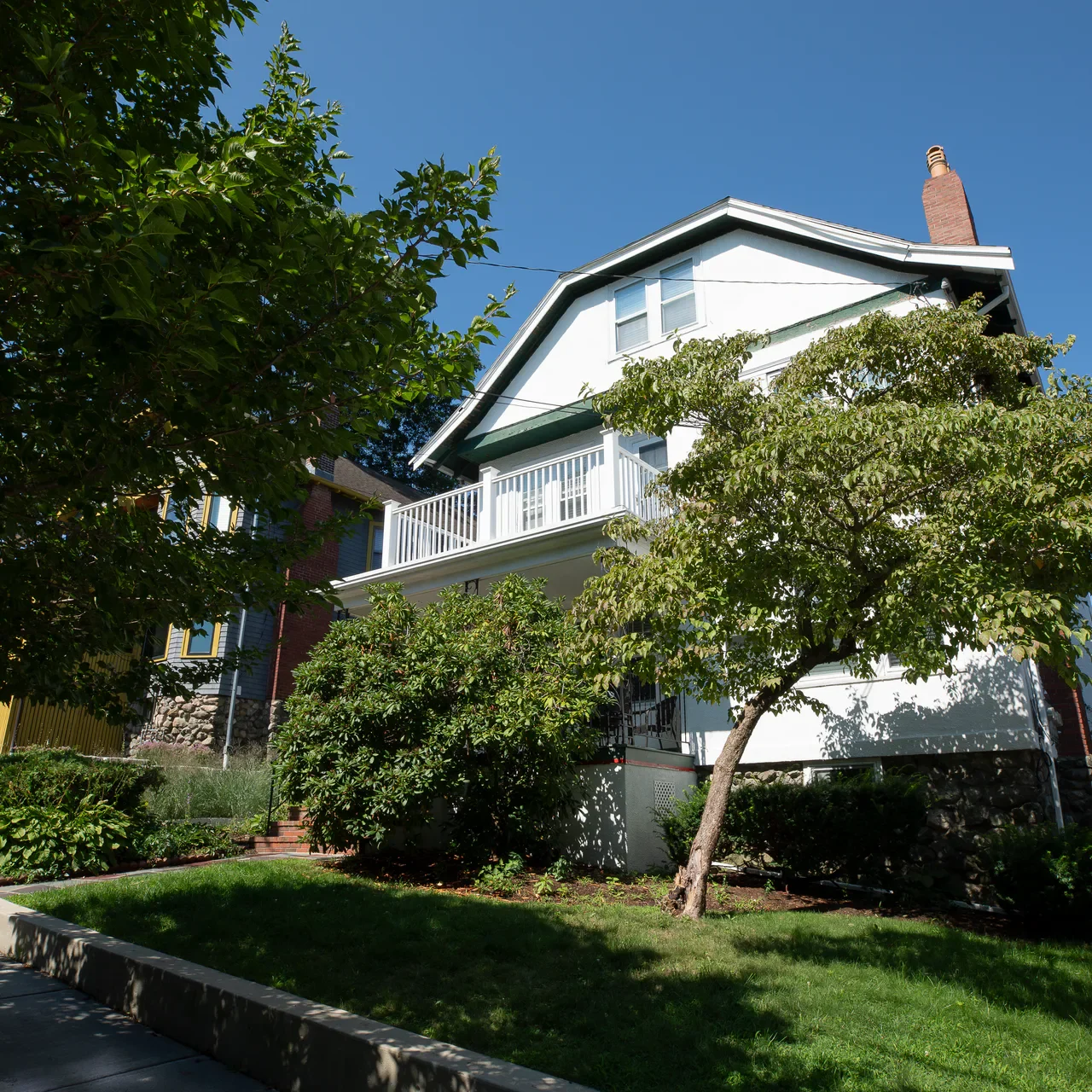
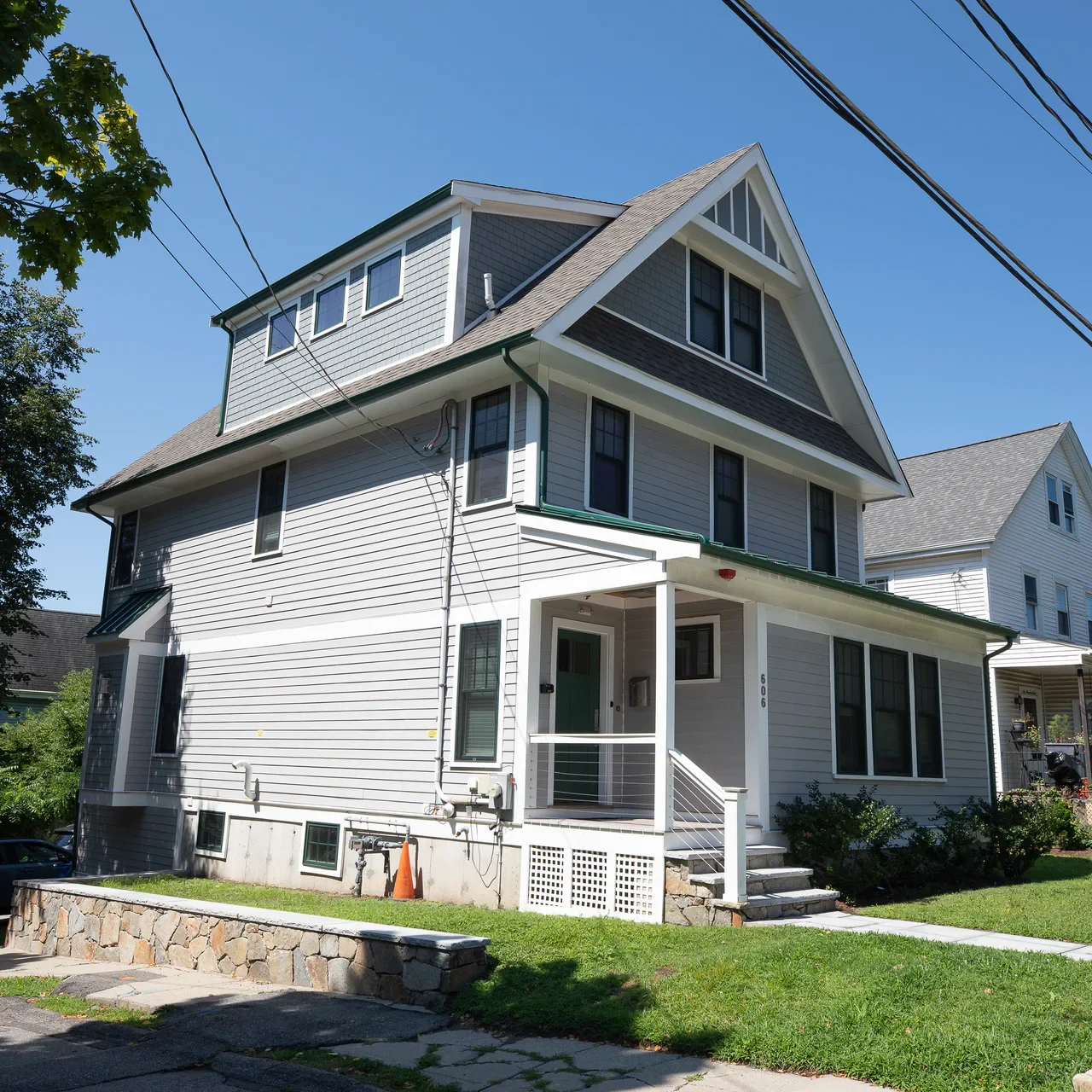
Wild Acre currently offers Transitional Living through Cushing House and Waverly House.
Both residences provide structured, short-term support for adults seeking to develop or reclaim the skills needed to return to a prior or greater level of independence.
Families do not need to choose between Cushing House and Waverly House before reaching out. Placement is recommended by Wild Acre’s team based on each person’s needs, goals, current supports, fit within the residential environment, and availability.
Interested in Transitional Living options?
You do not need to know whether Transitional Living is the right fit before reaching out.
Wild Acre’s admissions team can talk through your family member’s needs, explain available levels of care, and help determine whether transitional residential support may be an appropriate next step.